
10 Minutes Living in real time.
Estimated reading time: 3 minute(s)
We Campbells love clocks. They are in every room. Sometimes there are more than one in a room. Big clocks, little clocks, digital clocks, sadly no grandfather clocks. (I wish!) Everywhere you look, you’ll see a clock.
One that I particularly rely upon is the kitchen wall clock. I prepare many (or most) of the meals for our family and usually, with everyone having their own schedules, I am preparing meals around a specific time on the clock. One day recently I was carefully planning out when to start what and, at least according to that wall clock, I was right on time. At some point during the meal prep I was made aware that the clock had fallen nearly a half hour behind! So my carefully timed preparation was based on a slow clock, and, obviously, I did not meet that scheduled meal time!
(That clock has since been replaced.)
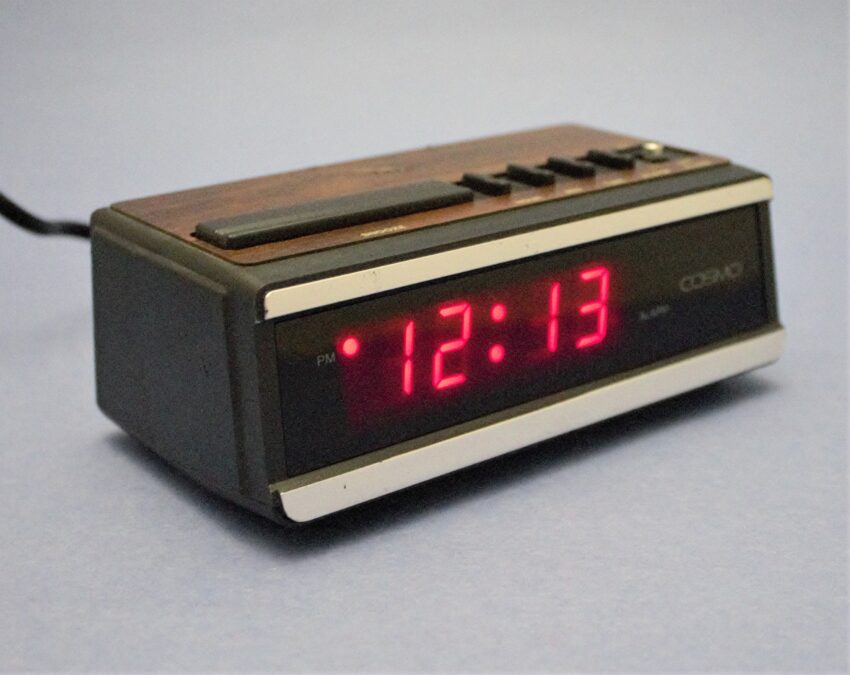
Last night I was looking at the clock at my wife’s side of the bed and was saddened that I was so late getting to bed. How could it be that late? I wondered. Then I remembered that she sets her clock ten minutes ahead, so it was actually ten minutes earlier. I chuckled to myself, thinking that’s such a funny thing to do. How does ten minutes make a difference to her?
Then I realized, it just did to me.
Which made me chuckle again, this time at myself!
Somehow, both ways of seeing that false ten minutes is a salve to the harsh reality of time. Time, while in some senses arbitrary, is just relentlessly moving forward and waits for no one. So, if you are one who is often late for whatever reason, setting your clock ahead of the “real” time allows you a bit of a buffer. In my wife’s case, she loathes mornings, and now with some weekly morning responsibilities, setting the clock ahead gives her some room to break free from the morning fog and still be on time with everyone else’s clock. So her joy comes in knowing that she actually has more time than the clock shows.
On the other hand, I saw the false time and thought I was somehow derelict in my own time management, giving myself less time to read before sleep, or less time to sleep. (Again, the silliest part of all this is that we are only talking about ten minutes!) But once I knew that there was actually more time, I relaxed back into my routine, laughing at myself for being fooled by the false time.
Then I wondered why would we try to trick ourselves? Why not just live in the truth, in reality? What benefit is there in fooling our own minds into enjoying those extra minutes?
My sister has done this, too. She prefers the buffer as she has a large family, with a lot of schedule and time pressures. So there can often be that relief in realizing, you actually have a little more time.
But is that little bit worth it? On the other end, it actually made me feel some sadness. I thought I had more (real) time than my clock told me I had.
Truth is… I don’t know. Maybe it is worth it. But I think I prefer truth. I set my clocks as closely as possible to the world clock time, to the second if I can. (I am definitely not always successful in this endeavor!) That is the real time, so that’s what my clocks say.
I guess the bottom line is, it probably shouldn’t matter. Why are we so governed by our clocks, anyway? But that is not what this post is about. It’s really just a silly little story about being fooled by a purposely incorrect clock.
And in the end, it made me chuckle. That can’t be all bad.